
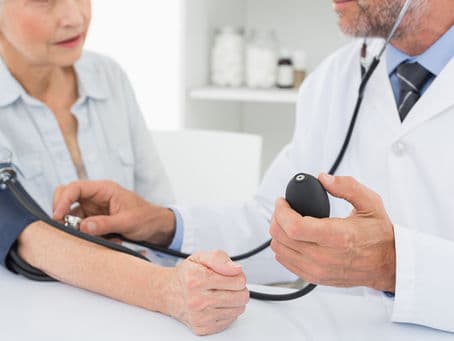
Blood Pressure and Hypertension: What You Need to Know (and What You Can Do About It)

Blood pressure might not be something you think about every day, but it is one of the clearest indicators of your overall health. It reflects the force of blood pushing against the walls of your arteries, and keeping it in a healthy zone is vital for protecting your heart, brain, kidneys, and more.
What Blood Pressure Numbers Actually Mean
When your doctor checks your blood pressure, you will hear two numbers: systolic (the top number) and diastolic (the bottom number). Systolic is the pressure when your heart beats. Diastolic is the pressure when your heart rests between beats. According to the American Heart Association, here is how those numbers are classified:
- Normal: less than 120/80 mmHg
- Elevated: systolic 120–129 and diastolic less than 80
- Stage 1 Hypertension: systolic 130–139 or diastolic 80–89
- Stage 2 Hypertension: systolic ≥140 or diastolic ≥90
- Hypertensive Crisis: over 180/120 (medical emergency)
How Big of a Problem Is High Blood Pressure?
Short answer: huge. Nearly half of adults in the U.S. live with hypertension. But it is not just about the numbers, it is about the long-term effects on your body. Uncontrolled high blood pressure wears down blood vessels, strains the heart, and accelerates atherosclerosis. Over time, this raises the risk of:
- Cardiovascular disease including heart attack and heart failure
- Kidney strain which can lead to chronic kidney disease
- Brain complications including stroke and cognitive decline
What Raises Blood Pressure?
While genetics play a role, lifestyle is often the biggest driver of hypertension. Common contributors include:
- Eating too many processed foods
- Low intake of potassium-rich fruits and vegetables
- Physical inactivity
- Chronic stress and poor sleep
- Excess alcohol intake
Deeper mechanisms such as insulin resistance and chronic inflammation also disrupt blood vessel function and increase sodium retention, both of which push blood pressure upward.
Real-Life Success: A Client Case Study
To show how powerful these strategies can be, let me share a recent client experience (shared with permission). When she came to me, she was struggling with Stage 2 hypertension, with blood pressure readings consistently above 160/95. She was already feeling the toll: fatigue, headaches, and a sense of worry about her long-term health.
We started with the exact approach outlined below: a Mediterranean-style eating plan rich in vegetables, healthy fats, and lean protein; increased potassium intake through foods like leafy greens, apricots, and sweet potatoes; a focus on stress reduction and daily movement; and carefully selected professional-grade supplements to support vascular health and calm inflammation.
Within just four weeks, her readings dropped into the normal range (108/68). Even more encouraging, she reported better sleep, steadier energy, and less daily anxiety. While every client is different and results vary, this transformation is a reminder that hypertension is not always a life sentence. With the right nutrition, lifestyle shifts, and targeted support, your body has the capacity to heal.
Holistic Ways to Bring Blood Pressure Down
The good news is that you have a lot of control here. Three of the most effective, evidence-backed strategies include:
- Adopt a Mediterranean-style eating pattern. This whole-food approach emphasizes fruits, vegetables, legumes, nuts, olive oil, and moderate fish intake. It has been shown to support vascular health and reduce cardiovascular risk.
- Boost potassium intake. Potassium-rich foods like apricots, leafy greens, and sweet potatoes help balance sodium and lower blood pressure.
- Tackle stress and move more. Regular exercise, deep breathing, and mindfulness practices reduce stress hormones and support heart health.
Supplements That Can Support Healthy Blood Pressure
Once diet and lifestyle are in place, targeted supplements may provide additional support. Research suggests potential benefits from:
- Potassium (2.5 g daily, divided doses)
- Magnesium (6–10 mg/kg daily, divided doses)
- Vitamin C (500 mg three times daily)
- Arginine (1–2 g daily, divided doses)
- Omega-3 fatty acids (3,000 mg daily)
- Anti-ACE peptides from bonito (1,500 mg daily)
- Garlic (equivalent of 4 g daily)
- CoQ10 (200–300 mg daily)
- Hawthorne extract (100–250 mg three times daily)
- Olive leaf extract with oleuropein (500 mg twice daily)
- Extended-release melatonin (1–3 mg nightly)
Quality matters. I recommend ordering through my Fullscript dispensary, where I have curated professional-grade options I trust for myself and my clients. Always consult your healthcare provider before starting supplements, especially if you are already taking blood pressure medications.
Bottom Line
Hypertension is more than a medical diagnosis. It is a warning sign that your heart, kidneys, and brain are under stress. The encouraging news is that simple, consistent steps with nutrition, movement, stress management, and carefully chosen supplements can make a profound difference. Protecting your blood pressure is protecting your future health. And the best time to start making changes is today.