
Why Supplement Quality Matters

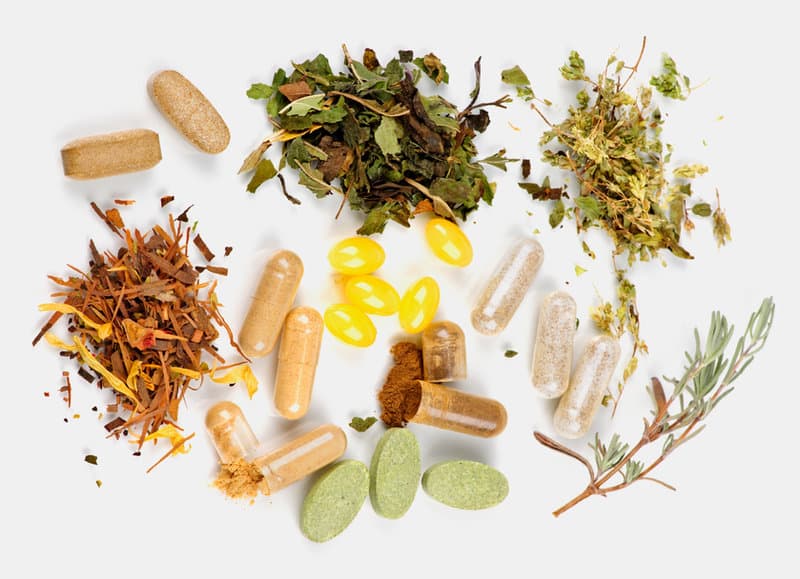
Supplements can be powerful tools for supporting health, but only if they are safe, effective, and true to the label. Unfortunately, the supplement industry is not tightly regulated, meaning quality can vary widely from one brand to another. Whether we are talking about fish oil, herbal remedies, or even basic vitamins, buying the cheapest option off Amazon often means gambling with your health.
Fish Oil: A Case Study in Quality
Omega-3 fatty acids from fish oil support heart, brain, and joint health. But research shows risks when the oil is poorly processed:
- Oxidation: Up to 27% of U.S. fish oil supplements exceed safe oxidation levels, making them rancid.
- Mixed outcomes: Benefits are strongest for people with high triglycerides, but some studies show no heart protection for the general population, which might be explained by the differences in quality.
Herbal Supplements: Potency and Purity Issues
Herbal remedies like turmeric, ashwagandha, echinacea, and St. John's Wort are popular for inflammation, stress, immunity, and mood. Yet independent testing reveals:
- Mislabeling: A New York Attorney General investigation found that 4 out of 5 herbal products sold at major retailers contained none of the herbs listed, or were adulterated with fillers like rice and houseplants.
- Contaminants: Some imported herbs have been found to contain heavy metals or pesticides when not tested properly.
- Potency problems: Turmeric capsules may have inconsistent curcumin levels, and echinacea products may use the wrong plant species altogether.
Vitamins and Minerals: Not Always What They Seem
Even basic vitamins can vary dramatically in quality. Examples include:
- Vitamin D: A 2013 study found that only 70% of vitamin D supplements contained amounts within 10% of their labeled dosage.
- Magnesium: Cheap magnesium oxide is widely sold, but it is poorly absorbed compared to magnesium glycinate or citrate.
- Multivitamins: Fillers, artificial dyes, and low-quality forms of nutrients such as folic acid instead of methylated folate reduce effectiveness.
Why This Matters for Your Health
Taking a supplement that is oxidized, mislabeled, or contaminated does not just waste money, it can actively harm your body. Instead of improving health, poor-quality supplements can cause oxidative stress, expose you to toxins, or simply fail to deliver the nutrients you are relying on.
Why I Recommend Fullscript
That is why I provide my clients with access to my Fullscript dispensary. Fullscript partners directly with professional-grade companies that use third-party testing to confirm purity, potency, and safety; choose clinically effective, bioavailable forms of nutrients; avoid unnecessary fillers, dyes, and allergens; and guarantee proper storage and handling.
Conclusion
Whether it is fish oil, herbs, or everyday vitamins, supplement quality matters. Research shows that up to 80% of mass-market products may not even contain what they claim. Protect your health and invest in products you can trust. Shop my Fullscript dispensary for professional-grade supplements that I have personally vetted for quality and safety with a 15% discount for clients.